The gentle and beautiful verses created by the earth and the kiln fire have shed their rough edges. Under the erosion of time and craftsmanship, they conceal smoothness and delicacy...
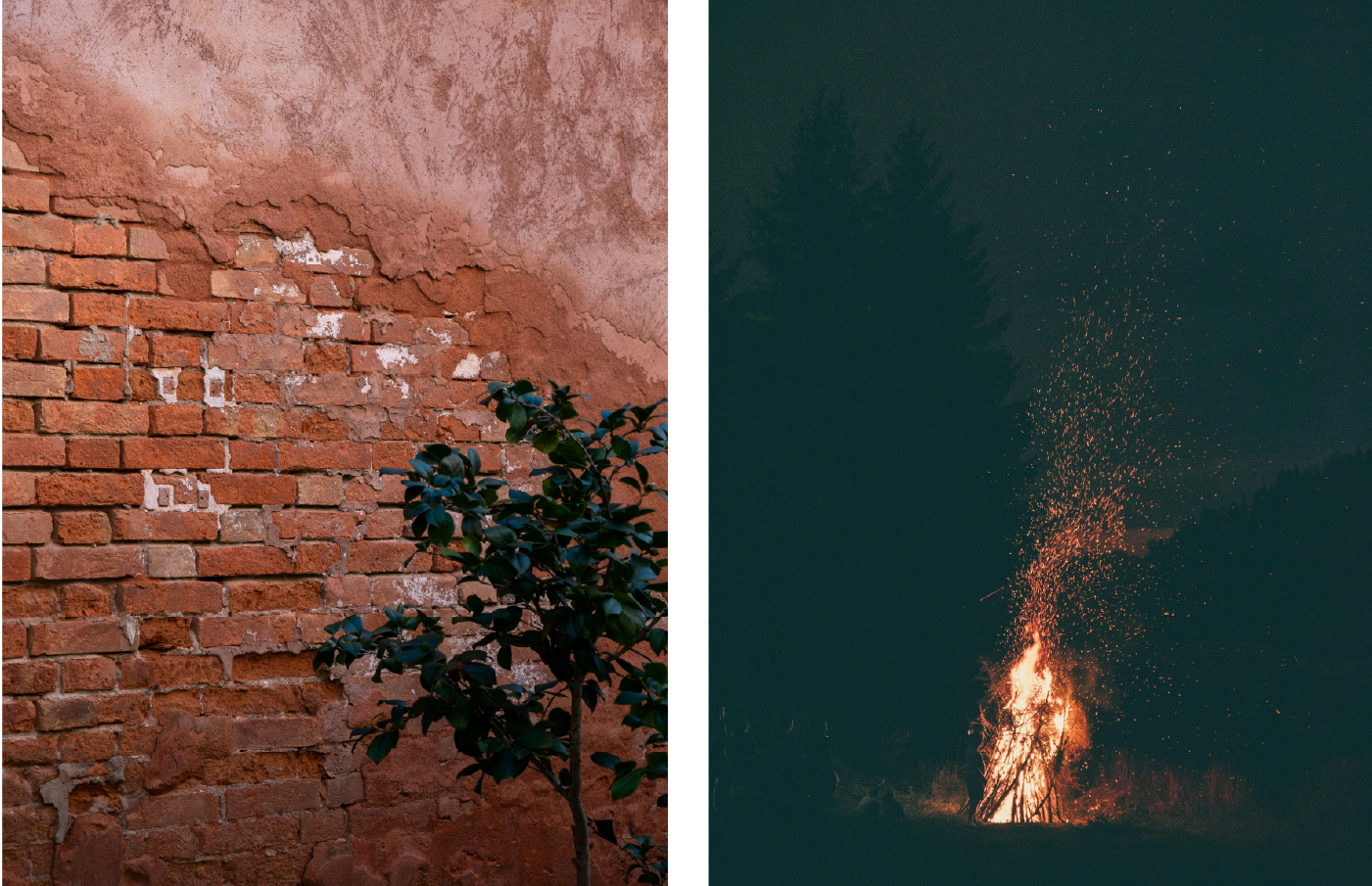
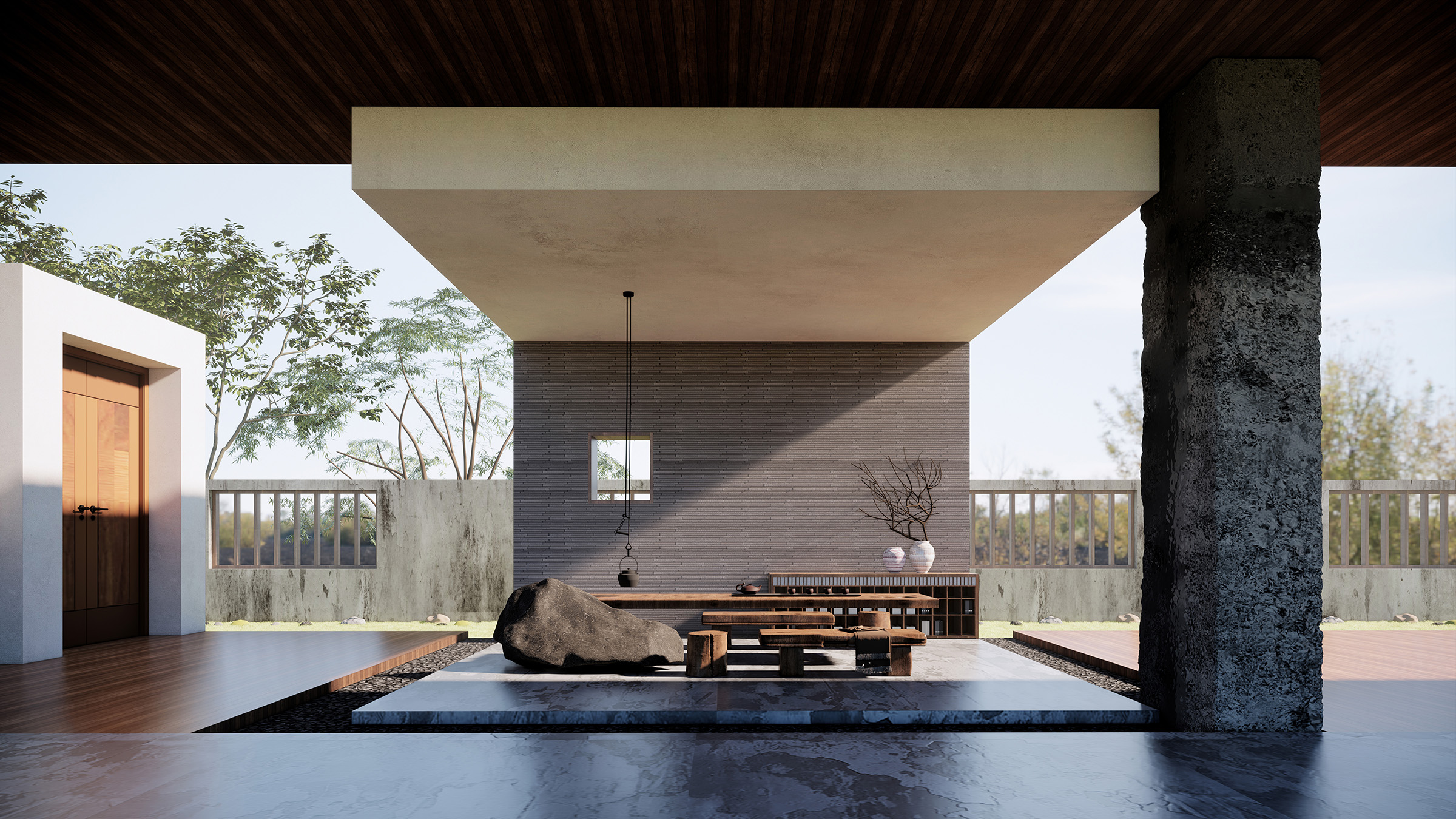
At first sight, I was immediately captivated by its smoothness. Unlike the uneven and rugged surfaces of ordinary bricks and stones, its surface seemed to have been gently polished by time. There were no sharp protrusions or abrupt depressions. When I touched it with my fingertips, the sensation was astonishingly delicate, without the rough friction of sand grains.
It feels like touching a smooth ochre stone, with the unique dense texture of the soil. It seems as if one can sense the traces of its gradual expansion in the mold and its slow condensation in the kiln fire.
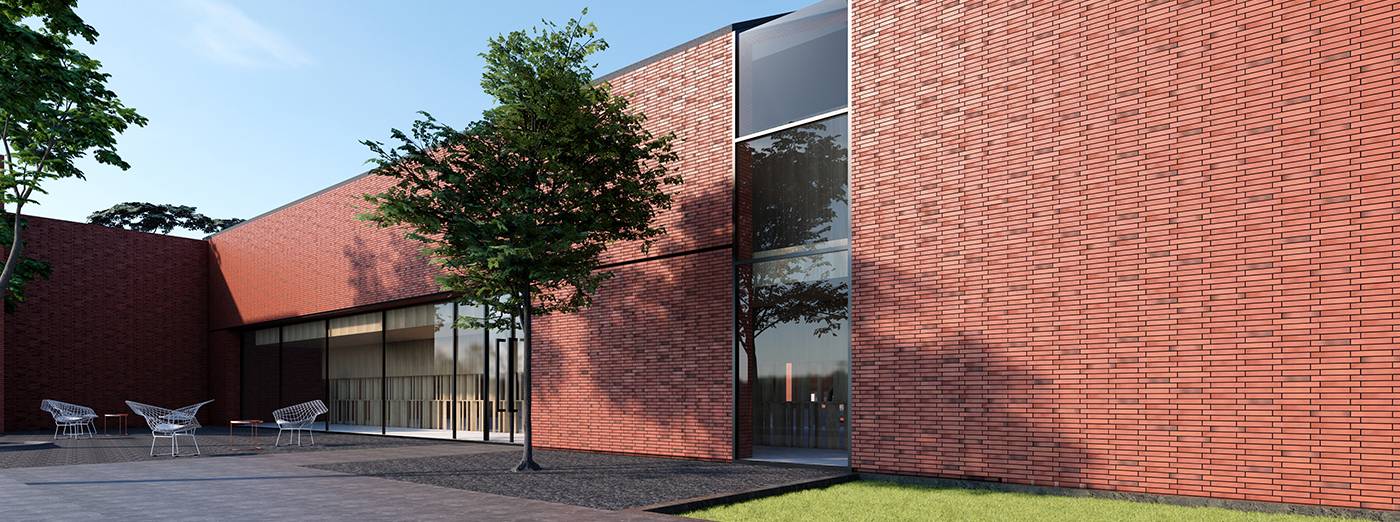
The light glides across the wall, the smooth brick surface is neither reflective nor dazzling, merely gently embracing the light and shadow. At the junctions of the bricks, faint gradations
of light and dark are diffused. Perhaps there are still subtle texture patterns on the brick surface,which are the traces of the natural contraction of the soil or the glow of the kiln.
The gentle kiss marks, these unforced little details, add a touch of liveliness to the smoothness and infuse the delicacy with a hint of rustic charm.
The unique beauty of the red ceramic tiles' glaze transformation is the spontaneous creation resulting from the dance between fire and clay, as well as the porcelain glaze. It is a replication of the texture patterns formed through the century-long firing process. The thick red pottery glaze transformation is the indelible red mark left by the fusion of flames and clay. Each piece is a one-of-a-kind masterpiece of fire marks. Beneath the mottled glaze color lies the wrinkles of time, yet with its resistant and moisture-proof resilient spirit, it quietly conceals the fragility of time.
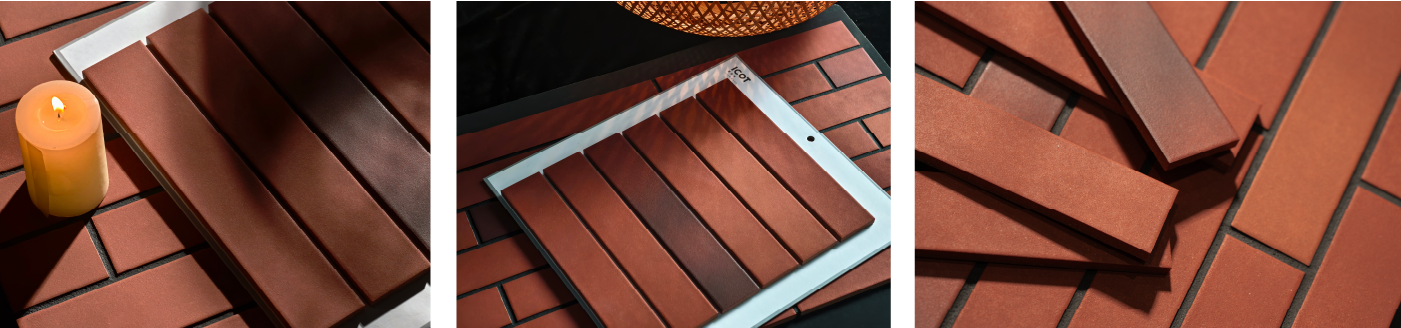
At first sight, I was immediately captivated by its smoothness. Unlike the uneven and rugged surfaces of ordinary bricks and stones, its surface seemed to have been gently polished by time. There were no sharp protrusions or abrupt depressions. When I touched it with my fingertips, the sensation was astonishingly delicate, without the rough friction of sand grains.
It feels like touching a smooth ochre stone, with the unique dense texture of the soil. It seems as if one can sense the traces of its gradual expansion in the mold and its slow condensation in the kiln fire.
Its appearance is the preciousness and clarity of pottery. When touched by the fingertips, it feels cool and delicate, without any grainy texture. It is like touching a piece of red jade that has been polished by time, possessing both a visual impact of intensity and a tactile quality of exquisite texture.
The anti-stain and wear-resistant ceramic properties ensure that this red remains bright and fresh as new, without losing its luster.
However, if you listen to its essence, you will hear the soul of the porcelain whispering. It is the memory of the earth, the untaught simplicity and richness. Beneath the hard ceramic surface, there are warm pores formed after kneading and shaping, a sense of life like breathing.
It is a balance of color and texture: The "brightness" of the pottery allows the red to shine brightly, while the "thickness" of the porcelain enables the red to gain depth and richness; this is the artistic language of ceramic tiles - it protects against time with the appearance of pottery and etches eternity with the passionate core of porcelain.
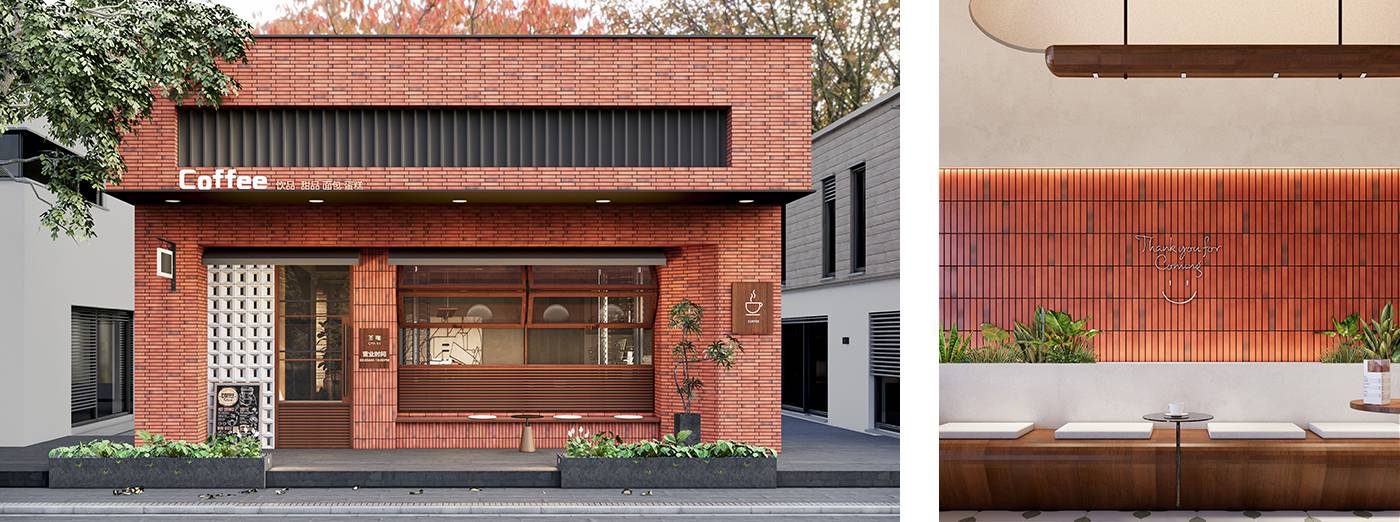
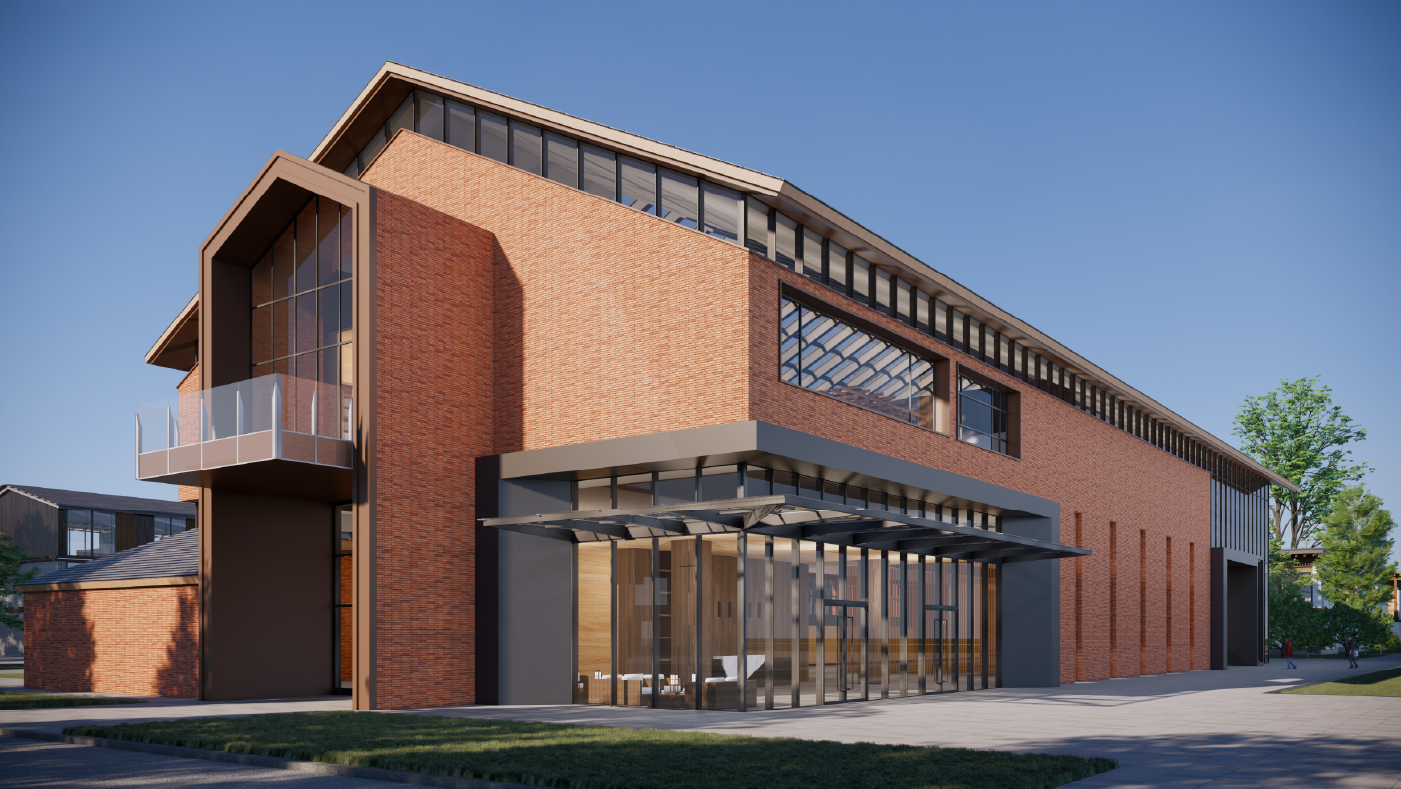
The red-walled coffee shop at the corner is a warm and passionate touch in the city. The light passes over the walls, and the smooth brick surface does not reflect or glare, merely gently accepting the light and shadow, and diffusing a faint glow at the junctions of the bricks.
The gradation of light and shade. Like the deeply aged vermilion, layer upon layer it forms the texture of the building, being a quiet conversation between time and vitality, adding a touch of serene charm to the passionate red.
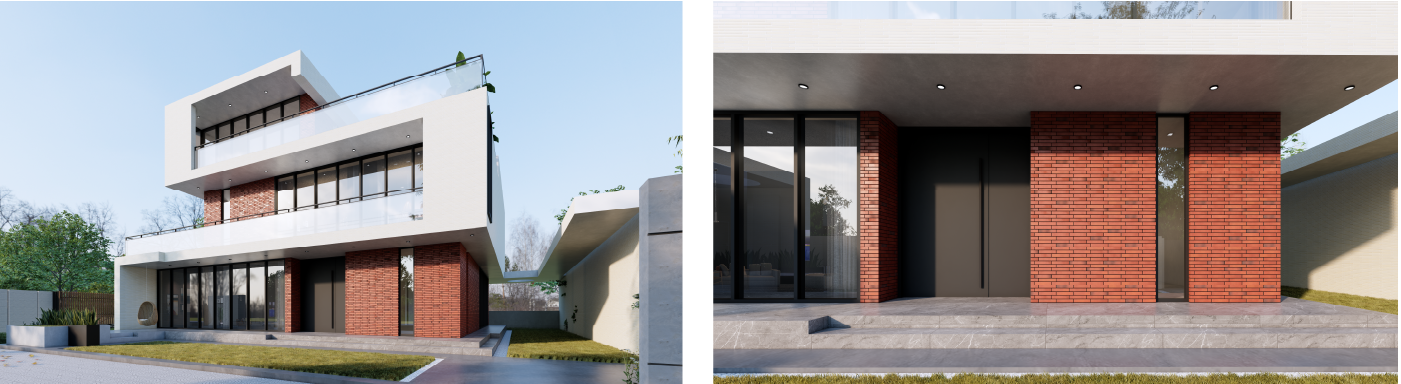
It is not the noisy intensity, but the gentle warmth that has been refined over time. Each piece of exterior wall tile, like a reddish-brown color smeared by time, is neatly arranged and laid out on the surface of the building. When the sunlight passes over the tiles, the red color becomes even more vivid and transparent.
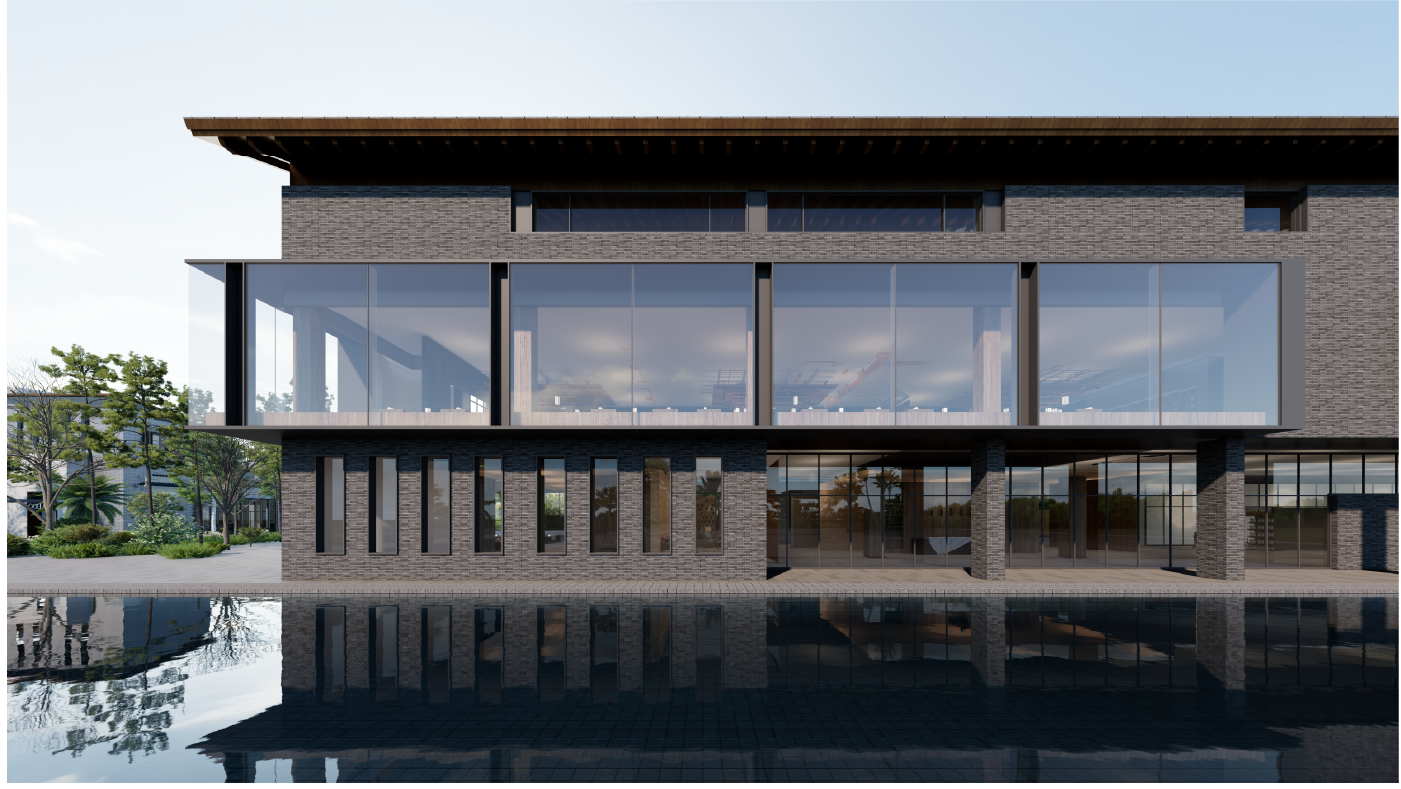
The shallow gaps between the bricks resemble the patterns of time, outlining the structure's framework and spirit. When it rains, it adds more charm. The red color moistened by the rain has shed its dust, gaining a richer texture, like an old poem filled with stories, serene yet captivating.